Keeping It Fresh

Logistics that

nourish trade

and growth

Days
Hours
Minutes
Seconds

Keeping It Fresh

Logistics that

nourish trade

and growth

Days
Hours
Minutes
Seconds

06

Editions

250+

Expert Speakers

2000+

Delegates

100+

Netwoking Hours

400+

Exporters

About PLA

fresh-but-fragile-african-perishables-need-a-logistics-fix

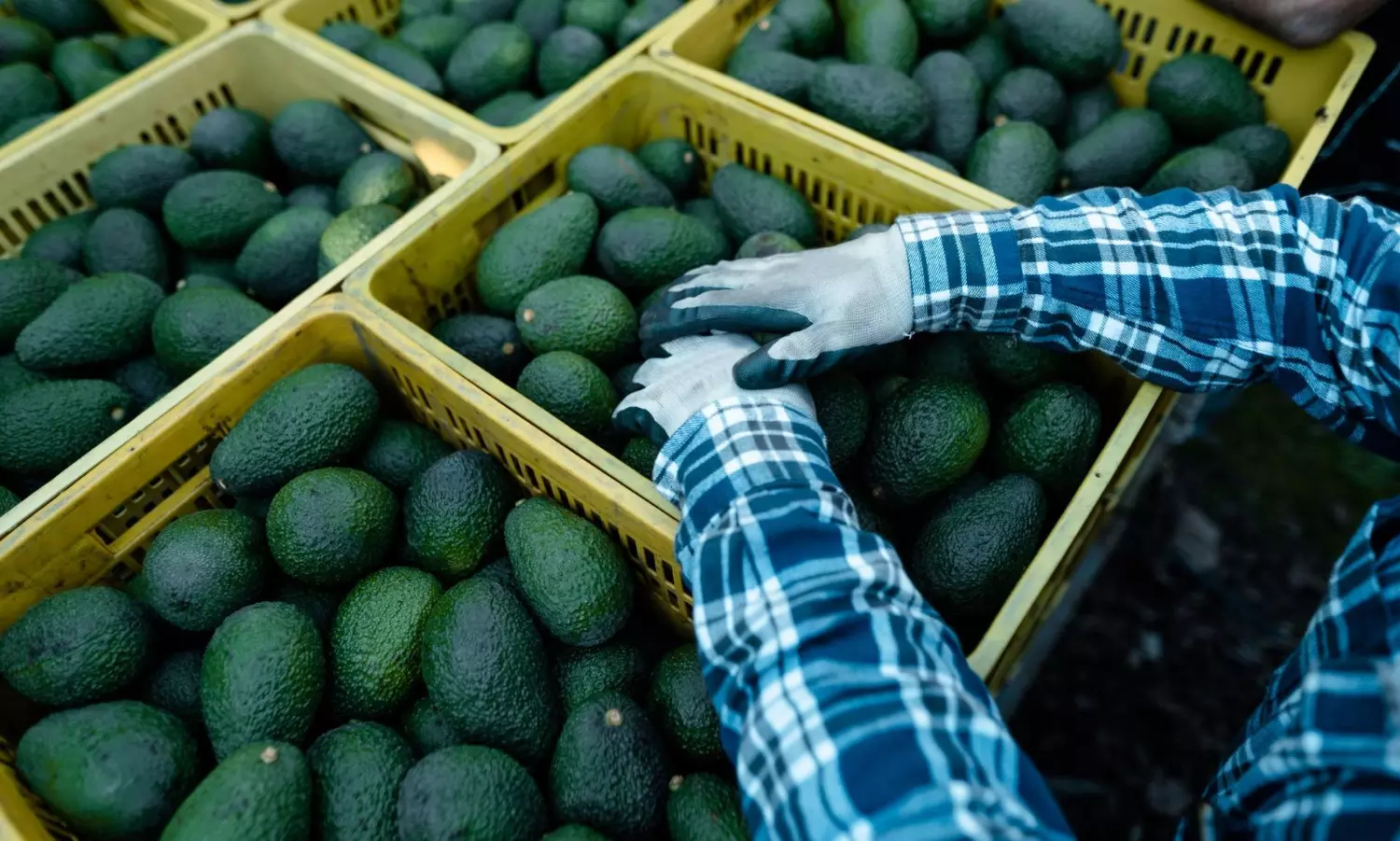
Africa’s perishable exports — fruits, vegetables, fish, meat, and dairy — are fast becoming engines of rural growth and trade. Kenya, alongside other African nations, is scaling up its role as a global supplier of fresh produce. Yet, maintaining the quality and value of perishables depends on the strength of the logistics and cold chain systems that connect farms to global markets.
As demand rises from Europe, the Middle East, and Asia, African exporters face multiple challenges: high freight costs, inadequate cold chain infrastructure, complex compliance rules, and the pressure to decarbonise transport. At the same time, opportunities abound in sea freight, digital visibility, packaging innovation, and regional trade under AfCFTA.
Perishable Logistics Africa 2026 brings together growers, exporters, logistics providers, airlines, shipping lines, cold chain operators, and policymakers to find actionable solutions. Together, we will explore how technology, investment, and collaboration can unlock Africa’s full potential in perishables — ensuring every shipment arrives fresh, safe, and sustainable.


Partners

Perishables Gateway Partner
Industrial Real Estate Partner
Supporting Partner
Industry Partners
Media Partner

Agenda

Business Session 1

Democratising the export market: Opportunity, risk, and reality

Expanding access to export markets is reshaping Africa’s perishable trade landscape, creating both new opportunities and new vulnerabilities. Success depends on managing commercial risk, logistics reliability, and compliance while maintaining consistent quality and volumes.

Business Session 2

Fixing the first mile: Cold chain gaps from farm to aggregation

The first mile remains one of the most fragile links in the perishable supply chain, where temperature breaks and delays can erase product value. Strengthening cold chain integrity at this stage is essential for reducing losses and improving export readiness.

Business Session 3

Decentralising export gateways: Unlocking the regional infra

Overreliance on a few export gateways increases congestion, costs, and operational risk for perishables. Developing regional infrastructure and alternative corridors can improve resilience, shorten transit times, and support more balanced trade growth.

Business Session 4

The sustainability mandate: Carbon footprints and market access

Carbon reporting and environmental performance are increasingly influencing buyer decisions and market access for perishables. Logistics strategies now play a decisive role in balancing sustainability commitments with commercial competitiveness.

Business Session 5

Data-driven logistics: Fixing the planning and communication gap

Limited visibility and fragmented data continue to disrupt planning across perishable supply chains. Better use of real-time data and integrated systems is critical to improving coordination, reducing waste, and protecting product freshness end to end.

Speakers

Paul Huish

General Manager

Evergreen Fresh

Raghav Gandhi

Chief Executive Officer

Africa Logistics Properties

Patrice Ngenga

Technical, Training, Standards and Compliance Officer

Fresh Poduce Exporters Association of Kenya

Wanjiru Mambo

Founder & Director

Wedgehut Foods

Agayo Ogambi

Chief Executive Officer

Shippers Council of Eastern Africa (SCEA)

Johan Leunen

Cargo Business Development Director

Ostend-Bruges Airport

Past Participants

Past Partners

Venue

Emara Ole Sereni
Nairobi, Kenya